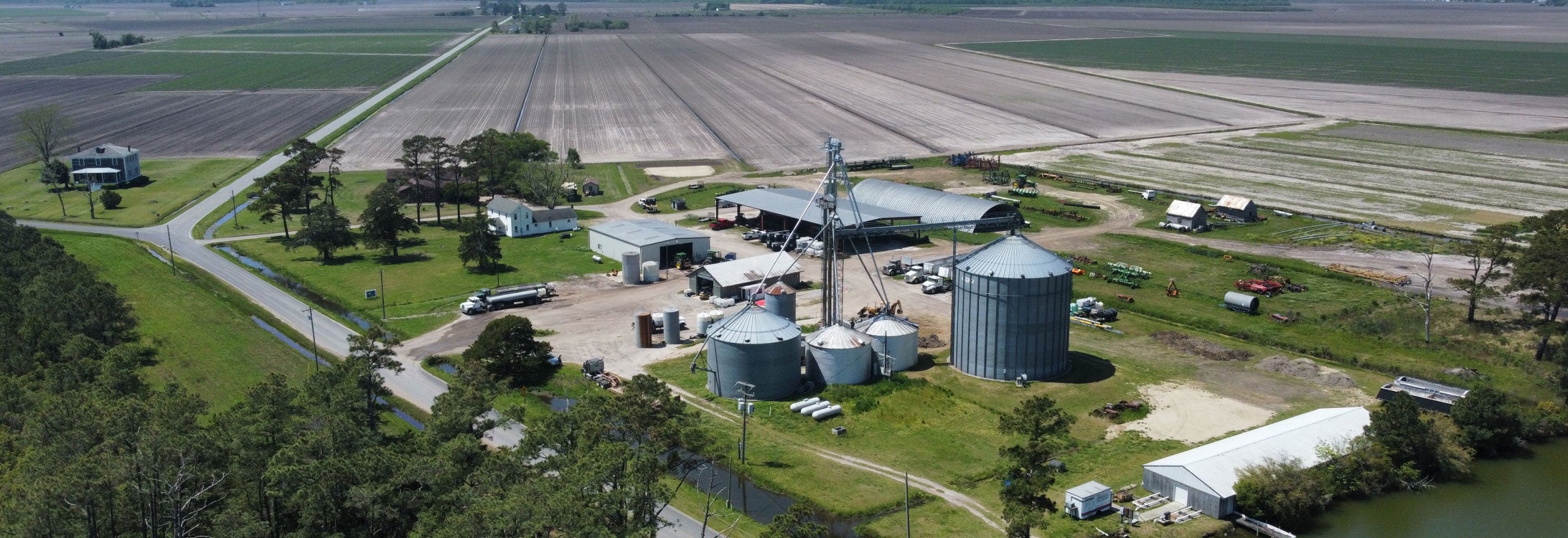
Smart Agriculture
PITON enables smart agriculture, aquaculture, and farming.
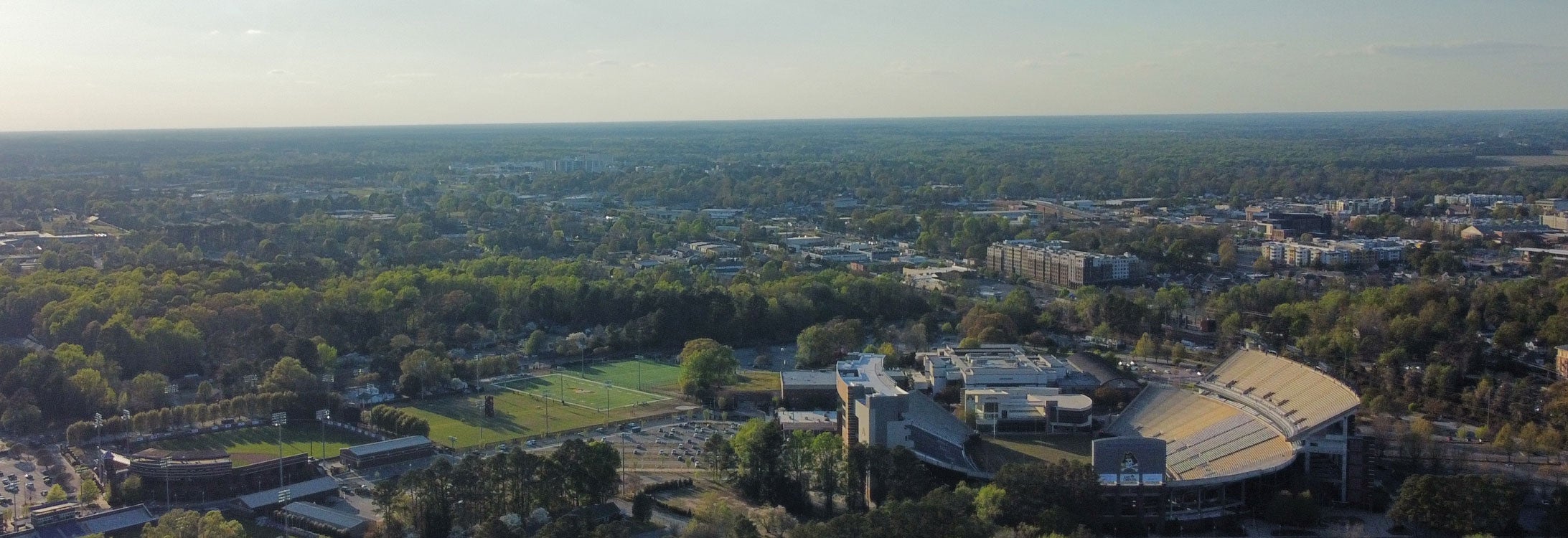
Campus as a Lab
CIEI enables researchers, educators and students to use IoT across the entire ECU campus.

Center for IoT Engineering & Innovation

In the News

Center for IoT Engineering & Innovation

The Center for IOT Engineering and Innovation, CIEI’s mission is to enable and facilitate the research and development of IoT solutions for a wide range of domains, from environmental monitoring to water management, from smart farming to smart agriculture, frome intelligent transportation to smart cities and many more. The CIEI developed and managed Platform for IoT Open Networks (PITON) provides communities, researchers, educators, and students the tools needed to develop, test, and manage IoT solutions. PITON’s footprint covers over 1,000 square miles of Eastern North Carolina and is rapidly growing.

We believe innovation resides at the intersection of community needs, researcher curiosity, and student enthusiasm. Through PITON and our expertise, CIEI provides the technologies needed to bring bright ideas to life.

Join an expanding community of innovators, be part of a growing portfolio of projects, change the quality of life and the economic opportunities for your community and those of others.

CIEI’s Impact

22+ Projects
9+ Gateways
12+ Proposals
20+ Collaborators
20+ Students

For more information, please contact:

Dr. Ciprian Popoviciu

Director
East Carolina University
College of Engineering and Technology
Science & Technology Building,
Greenville, NC 27858-4353

Upcoming Events

Dec 11

Technical Course: Industrial Energy Efficiency Improvement

This online training (via MS Teams) provides practical tools for evaluating and implementing cost-effective energy projects in manufacturing. Participants will learn to apply Life Cycle Cost Analysis (LCCA) and explore topics such as utility rate structures, power factor analysis, load shifting, and compressed air systems. Through real-world case studies and hands-on exercises, attendees will learn how to analyze energy cost drivers, interpret data, and align energy efficiency initiatives with long-term financial and sustainability goals. The course is taught by Dr. Ethan Languri, Associate Professor of Mechanical Engineering, licensed Professional Engineer (PE), and Director of the Industrial Assessment Center at Tennessee Tech University. Ideal for plant managers, engineers, energy and sustainability professionals, and decision-makers, the course awards a certificate of completion and qualifies for self-reported professional development hours.

Dec 12

Technical Course: Industrial Energy Efficiency Improvement

This online training (via MS Teams) provides practical tools for evaluating and implementing cost-effective energy projects in manufacturing. Participants will learn to apply Life Cycle Cost Analysis (LCCA) and explore topics such as utility rate structures, power factor analysis, load shifting, and compressed air systems. Through real-world case studies and hands-on exercises, attendees will learn how to analyze energy cost drivers, interpret data, and align energy efficiency initiatives with long-term financial and sustainability goals. The course is taught by Dr. Ethan Languri, Associate Professor of Mechanical Engineering, licensed Professional Engineer (PE), and Director of the Industrial Assessment Center at Tennessee Tech University. Ideal for plant managers, engineers, energy and sustainability professionals, and decision-makers, the course awards a certificate of completion and qualifies for self-reported professional development hours.

Dec 22

Webinar: PFAS: The Story, the Science and Safer Choices

Join us for an insightful webinar titled “PFAS: The Story, The Science, and Safer Choices,” hosted by ECU’s Sustainable Energy and Environmental Engineering program. This session will explore per- and polyfluoroalkyl substances (PFAS) widely known as “forever chemicals” which represent one of today’s most persistent and concerning environmental pollutants. Guest speaker. Dr. Kura Duba, Associate Professor of Engineering in the College of Engineering and Technology, will break down the history, chemistry, and environmental impact of PFAS, discussing how these compounds affect ecosystems and human health. The webinar will also highlight emerging technologies, safer alternatives, and sustainable solutions designed to reduce PFAS exposure and guide communities toward safer materials. Attendees will gain a clearer understanding of the challenges surrounding PFAS contamination and learn about promising innovations shaping the future of environmental protection.